

Smile Dental Clinic, Great Yarmouth
Dental Bridges
Transform Your Smile
The loss of a tooth, or multiple teeth, can impact more than just your smile. It can affect your bite, the shape of your face, and even your overall health. Thankfully, modern dentistry offers solutions like dental bridges that can restore function and aesthetics to your mouth.
Even losing one tooth can make a big impact on multiple functions. Missing teeth can create bite problems, impact your self confidence, and restrict the foods you can eat. Dental bridges can help. Bridges are a restorative dental treatment we provide at Smile Dental Clinic Yarmounth.
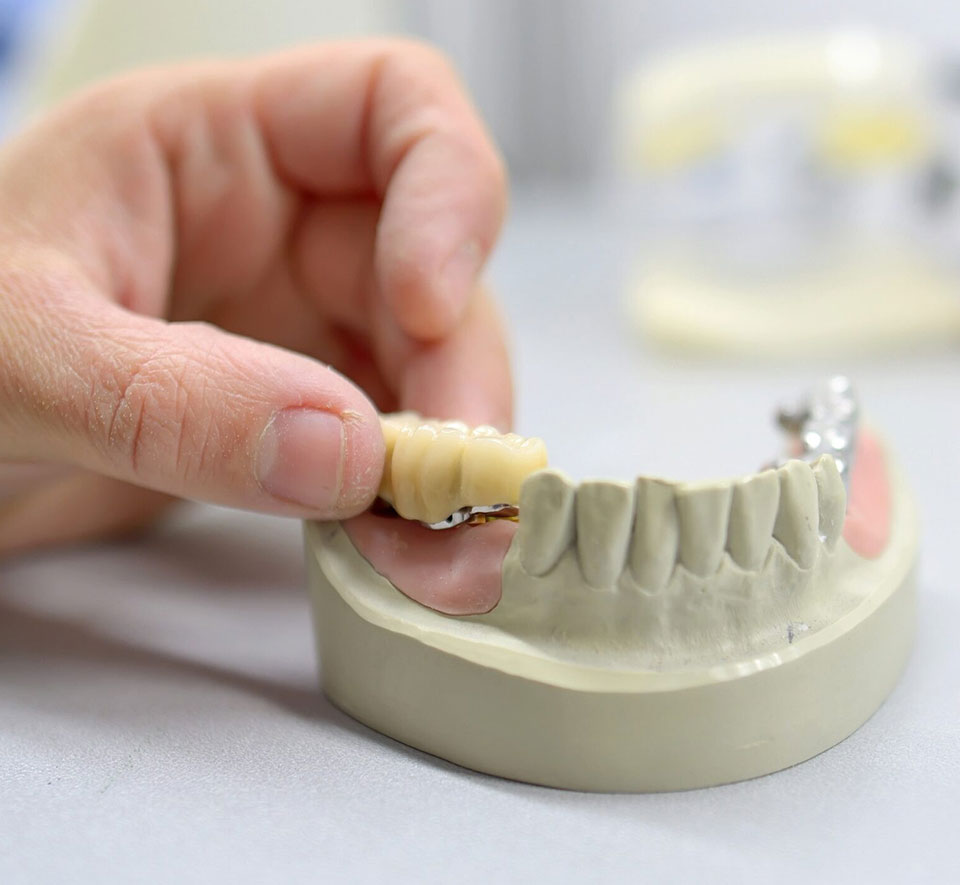

Restore Your Smile With Dental Bridges at Smile Dental Clinic, Hopton, Great Yarmouth
Bridge the Gap and Restore Your Smile
At Smile Dental Clinic in Great Yarmouth, we specialize in creating custom dental bridges that seamlessly blend with your natural teeth, restoring both function and beauty to your smile. Dental bridges are an ideal solution for filling the spaces left by missing teeth, preventing remaining teeth from shifting, and helping maintain the shape of your face.
What Is A Dental Bridge?
As the name suggests, a dental bridge bridges the gap due to missing teeth. It is a permanent tooth restoration process that revives the function and looks of natural teeth. A dental bridge is used in cases where one or more consecutive teeth are missing.
A dental bridge is typically made of two crownscemented on either side of the gap where your tooth was lost or removed. It will then be connected to an artificial tooth, called a pontic, which will fill in the tooth gap. It prevents constant chewing pressure from being put on any area and helps maintain healthy teeth for more extended periods.
Why Consider Dental Bridges?
Dental bridges are used to replace one or more missing teeth, offering several benefits:
- Restored Smile: Fills the gap created by missing teeth, enhancing your smile and facial aesthetics.
- Improved Chewing and Speaking: Bridges help restore your ability to chew and speak more naturally.
- Maintaining Facial Shape: Prevents facial sagging and premature aging by supporting facial structures.
- Distribution of Bite Forces: Evenly distributes the forces in your bite by replacing missing teeth.
- Preventing Teeth Misalignment: Stops remaining teeth from drifting out of position.
The Dental Bridges Journey
Discover how dental bridges can transform your smile and restore confidence. This journey begins with a personalized consultation, followed by expert planning to craft a natural-looking bridge tailored to your needs. From preparing the surrounding teeth to placing your custom bridge, each step is designed for comfort, function, and long-term success. Whether you’re replacing one tooth or several, this journey leads to a stronger bite and a complete, beautiful smile.
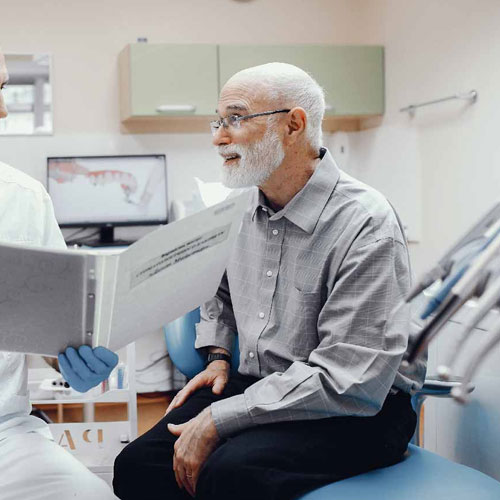
1. Consultation and Customization
Your treatment begins with a thorough consultation to assess your needs and discuss your options. We take impressions of your teeth to ensure your bridge fits perfectly and looks natural.
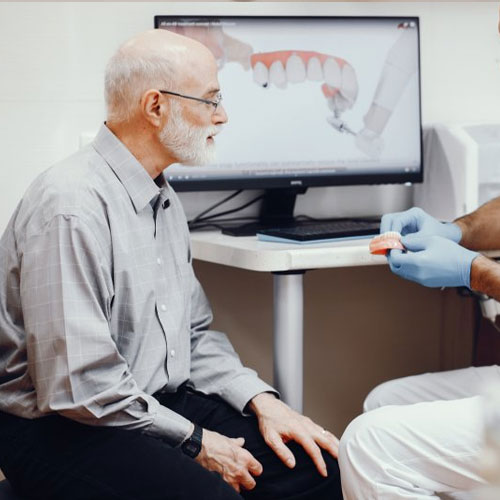
2. Preparation
Adjacent teeth may need to be prepared for crowns that will support the bridge. This involves reshaping these teeth to ensure a proper fit.
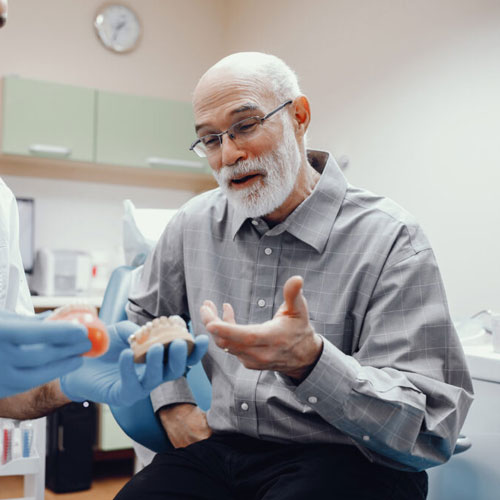
3. Temporary Bridge
A temporary bridge may be placed while your custom bridge is being crafted in a dental lab. It also protects the exposed teeth and gums.
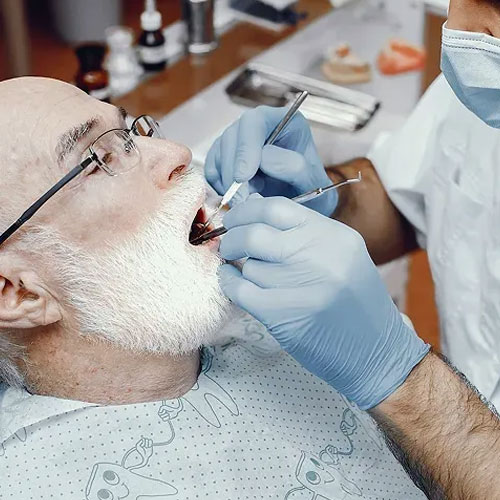
4. Fitting Your Custom Bridge
Once your bridge is ready, we’ll invite you back for fitting. The bridge is adjusted as necessary to ensure a comfortable and secure fit.

5.Cementing the Bridge
Finally, the bridge is cemented into place, instantly improving your smile and oral function.
Types of Dental Bridges
Our team will help determine the most suitable type of bridge based on the location of the missing tooth (or teeth), your health, and your aesthetic preferences.

Traditional Bridges
The most common type, consisting of one or more prosthetic teeth anchored by dental crowns on either side. A traditional bridge uses support from either side of the tooth gap. Bridges restore the appearance of missing teeth but do not support the health of the gum tissue and surrounding teeth.

Cantilever Bridges
Used when there are adjacent teeth on only one side of the missing tooth or teeth. Unlike a traditional bridge, a cantilever dental bridge uses support from one side of the missing tooth gap. We may recommend this bridge if you only have one natural tooth next to your tooth gap. However, because this bridge only uses support from one side, it can lead to stress on the abutment teeth.

Maryland Bridges
Typically used for front teeth, involving a prosthetic tooth attached to metal or porcelain wings on adjacent teeth. A Maryland bridge preserves the healthy structure of the supporting teeth, as it uses a metal structure that is cemented onto the backs of the teeth. It is not as strong as a traditional bridge, but can be highly useful in some situations.

Implant-Supported Bridges
Supported by dental implants rather than crowns or frameworks. Ideal for when several teeth are missing. Today, implant-supported bridges are considered a better option for many restorations. Rather than prepping the existing healthy teeth, your dentist can anchor the bridge on dental implants instead. The result is a strong, stable, long-lasting bridge that does not put your healthy teeth at risk for fracture or decay.
The Benefits of Dental Bridges
The most obvious benefit of getting a dental bridge is that it will fill a gap left by missing teeth. But dental bridges have additional benefits such as:
- Many dental bridges do not require surgery (minimally invasive)
- Dental bridges are durable and will last at least as long as a crown (10+ years)
- Bridges offer more stability than dentures
- The artificial tooth will match the shape, size, and color of your other teeth
- Restores speech/improves enunciation
- Improves chewing ability
- Prevents the surrounding teeth from shifting into the gap left by a missing tooth
- Helps maintain normal facial structure
- Improves self-confidence and self-esteem
Caring for Your Dental Bridge
With proper care and regular dental check-ups, your dental bridge can last many years. Maintaining good oral hygiene is crucial to prevent decay in the natural teeth that anchor your bridge.
- Clean Your Bridges Daily: You can care for implant bridges just like natural teeth. Brush your false teeth with a soft-bristled toothbrush. Avoid toothpaste with abrasive ingredients like charcoal. Remember to floss between each tooth before you brush to remove leftover debris from the teeth and gums.
- Be Careful With Your Bridge: If you have a traditional bridge, you should be careful when you eat hard, crunchy, or sticky foods. These foods can dislodge or loosen your bridge. Instead, cut up your food or eat softer foods, especially as you get used to your new teeth.
Don’t let missing teeth affect your quality of life. Contact Smile Dental Clinic in Great Yarmouth today to schedule your consultation and discover how our custom dental bridge solutions can restore your smile and confidence.
Contact Us
Invest in your oral health and smile with confidence. Schedule your composite filling consultation at Smile Clinic in Hopton, Great Yarmouth today. Contact us at 01493 543144 or book online. Let us help you achieve a healthy, beautiful smile!
- Exceptional standards of care
- Experienced & compassionate dental team
- Patient-centred philosophy
- The latest dental technology
- Innovative techniques
- Enhanced safety & hygiene

